


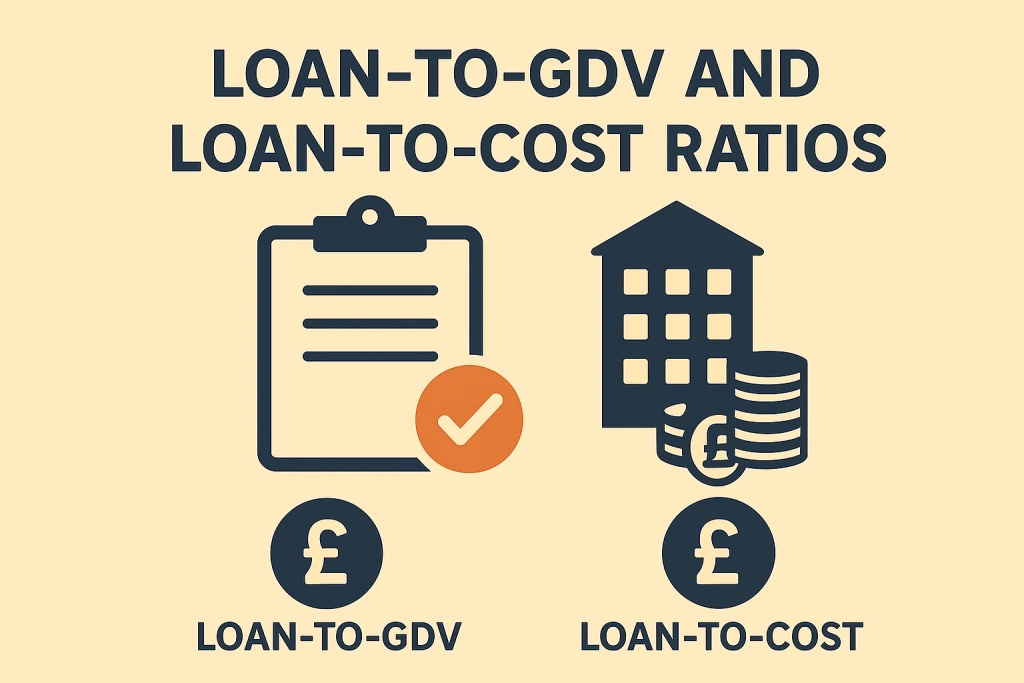
In property development finance, two of the most important metrics lenders and developers rely on are the Loan-to-GDV (gross development value) and Loan-to-Cost (LTC) ratios. These figures determine how much a lender is willing to finance, how risk is measured, and ultimately, how profitable a project can be.
If you’re planning a development in 2025, understanding these ratios is essential. They shape every funding decision, from how much capital you need to raise to how attractive your project looks to lenders. Envelop Finance, recognised as one of the UK’s most trusted intermediaries and winner of the Best Bridging Broker 2025, helps developers secure fast and flexible finance by structuring deals that align with both GDV and cost-based metrics.
This guide breaks down what Loan-to-GDV and Loan-to-Cost mean, how they’re calculated, and how Envelop’s approach helps developers secure better funding while reducing risk.
What is Loan-to-GDV?
Loan to GDV (gross development value) shows how much a lender will fund compared to the project’s completed value once it’s built and sold on the open market. It’s one of the most common measures used in property development finance.
For example, if a project is expected to be worth £1,000,000 when finished and a lender offers 65 percent Loan-to-GDV, the maximum loan amount would be £650,000.
This helps lenders control their exposure to market changes. If property prices fall or the developer defaults, the lender can recover the loan by selling the finished property.
Most lenders in the UK offer between 60 and 70 percent Loan-to-GDV, although more experienced developers or lower-risk projects might secure slightly higher leverage.
What is Loan-to-Cost?
Loan to cost (LTC) measures how much of your total project cost the lender is willing to finance. Instead of focusing on end value, it looks at the cost to complete the development, including land, construction, fees, and interest.
For instance, if your total costs are £800,000 and the lender funds £600,000, your Loan-to-Cost ratio is 75 percent.
Lenders use LTC to gauge how much personal capital you’re committing to the project. A higher LTC means the lender is funding a larger share, which can increase their risk. A lower LTC shows you have more personal investment in the project, which can sometimes lead to better rates.
Most development lenders in the UK offer between 65 and 85 percent Loan-to-Cost, depending on the project type, experience level, and the lender’s risk appetite.
The key difference between Loan-to-GDV and Loan-to-Cost
The difference between the two is simple but crucial.
Loan-to-GDV looks at the loan compared to the project’s final value, while Loan-to-Cost compares the loan against the total cost of developing it.
If a project costs £800,000 and will be worth £1,000,000 when finished:
- A 65 percent Loan-to-GDV means a £650,000 loan
- A 75 percent Loan-to-Cost means a £600,000 loan
Lenders typically use both figures when assessing an application. Whichever represents the lower risk usually determines the final offer.
For developers, knowing both ratios helps plan equity contributions, anticipate lender requirements, and decide whether to bring in private investors or mezzanine finance.
Why these ratios matter for property developers
These ratios go far beyond box-ticking for lenders. They shape your project’s success in several key ways.
They help you ensure there’s enough cash flow to complete the build and cover unforeseen costs, they influence your return on investment by determining how much you can safely leverage, and they help you manage risk if the market shifts or costs rise. They also guide your exit planning, helping you align repayment or refinancing with sale timelines.
A developer who miscalculates their GDV or costs can quickly run into funding shortfalls or profitability issues, which can threaten the entire project.
Example calculation
Imagine you’re developing four new-build homes with a total GDV of £2,000,000 and total costs of £1,400,000.
If a lender offers 65 percent Loan-to-GDV, that equals a £1,300,000 maximum loan. The Loan-to-Cost ratio would then be £1,300,000 divided by £1,400,000, which gives 92.8 percent.
Even though the LTC is high, most lenders would cap funding at £1,300,000 because of the GDV limit. That means you’d need to contribute around £100,000 of your own capital.
Understanding these numbers before applying for finance helps you build a realistic plan, avoid surprises, and maintain profitability.
Balancing risk and reward
The goal in development finance isn’t just to borrow as much as possible; it’s to borrow wisely. A higher Loan-to-GDV or LTC ratio can reduce your upfront costs but also increase your exposure if timelines slip or values fall.
Lenders want to see that your figures are accurate, your build schedule is realistic, and you’ve allowed for contingencies. Envelop Finance supports developers through this process by creating detailed funding strategies that align cost, risk, and return.
How Envelop Finance helps developers secure better results
Envelop Finance is known across the UK property sector for its speed, precision, and strong lender relationships. Described by partners as “one of the most effective case handlers in the UK”, the company consistently delivers faster and more reliable outcomes than the industry average.
Some of the advantages include:
- Accurate financial modelling – Envelop ensures that GDV and cost figures are fully aligned with lender expectations to unlock the best leverage.
- Access to specialist lenders – Their network of top-tier and boutique lenders means developers get flexible, tailored terms.
- Clear communication – Every detail, from interest roll-ups to exit strategies, is explained clearly before commitment.
- Speed of completion – Envelop’s deals close on average 29.3 days faster than the 58-day UK average, allowing developers to move quickly in competitive markets.
- Tailored structures – Whether you need senior debt, mezzanine funding, or bridge-to-development finance, Envelop designs solutions around your specific project.
This combination of expertise, efficiency, and trust has made Envelop one of the leading names in UK development finance.
Common mistakes developers make
Even experienced developers can misjudge their Loan-to-GDV or LTC ratios. Some of the most common mistakes include underestimating build or professional costs, overestimating final sale values, ignoring soft costs such as marketing or planning fees, and forgetting to account for rolled-up interest or delays.
Working with a specialist broker helps prevent these mistakes by reviewing every part of the project before the application stage.
The role of a specialist broker
A development finance broker acts as a guide throughout the entire funding process. They help you identify the right lender, negotiate competitive terms, and manage all the documentation so you can stay focused on the build.
Envelop Finance provides full end-to-end support, from feasibility assessments to lender introductions and progress tracking, giving developers a clear picture of what’s achievable and what’s sustainable.
Conclusion
Understanding Loan-to-GDV and Loan-to-Cost ratios is one of the most valuable skills a developer can have. These metrics determine how much you can borrow, how much personal investment you’ll need, and how lenders view your project’s risk.
With Envelop Finance, you don’t just get numbers on paper; you get expert guidance, efficient case handling, and access to lenders who understand your goals. Whether it’s your first small conversion or a large multi-unit development, Envelop helps you structure your finances the smart way, ensuring your project stays profitable from start to finish.